
Fashionable automobiles are already geared up with numerous cameras and sensors monitoring different automobiles, cyclists and pedestrians to reduce or forestall collisions with them, and there’s extra of that expertise coming quickly, particularly with autonomous taxis. However what if that present expertise may report dangerous potholes and even poor lane markings and signage? Honda came upon.
With an intensive manufacturing and improvement hub in Ohio, Honda partnered with the DriveOhio division of the Ohio Division of Transportation for a two-year examine that evaluated whether or not vehicle-generated knowledge can be efficient to report roads in want of restore or poor signage and instructions to the transportation company. The 2-year pilot program, additionally in partnership with the College of Cincinnati, Parsons Company and i-Probe Inc, concerned Ohio DOT employees driving Hondas geared up with numerous cameras and Lidar to cowl about 3,000 miles of roads within the state.
Honda began a prototype Proactive Roadway Maintenance System in 2021, with that program set as much as detect issues together with poor street high quality for any car sort, broken guardrails or street limitations, steep or deteriorating shoulder drops, and even inadequate or lacking street striping and broken or worn signage.
“Manufacturing car sensors are designed primarily for driving and security – not for asset monitoring – however their capacity to gather knowledge constantly throughout every day driving creates distinctive worth at scale,” Daisuke Oshima, president and CEO of i-Probe, mentioned Thursday in a press release. “Unlocking that worth requires analytics particularly designed to account for these traits, and this undertaking exhibits how car sensor knowledge can complement present inspection applications and assist extra proactive asset administration.”
Human staff verified what the cameras picked up and reported to the transportation division utilizing Parsons’ expertise and i-Robotic verified the info and extra subjective critiques of street roughness and high quality of the lane markings and signage. Finally, this system proved profitable 99% of the time for locating broken or hidden indicators, 93% for broken guardrails and 89% for potholes, based on Honda.
“By utilizing real-time car knowledge to detect street hazards and infrastructure points, Honda, ODOT and our undertaking companions are demonstrating how smarter, adaptive options can improve security, scale back prices and improve security for everybody sharing the street,” Sue Bai, chief engineer, Sustainability and Enterprise Improvement at American Honda, mentioned in a press release Thursday.
Honda mentioned that Ohio’s DOT may save $4.5 million in road-related upkeep prices with the system due to a discount in time spent on guide inspections, higher restore scheduling and higher planning for preventative upkeep. The automaker says it desires the following section of testing to search out methods for its drivers to anonymously share knowledge with the proper company and report issues with roads traveled, or to search out areas that might want restore sooner or later.
Trending Merchandise

Sevenhero H602 ATX PC Case with 5 A...

Dell Inspiron 15 3520 15.6″ F...
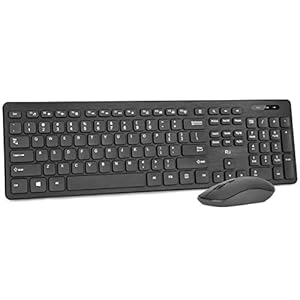
Wi-fi Keyboard and Mouse Combo R...
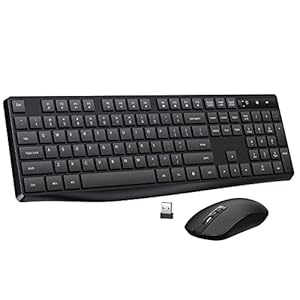
Wi-fi Keyboard and Mouse Combo, Lov...
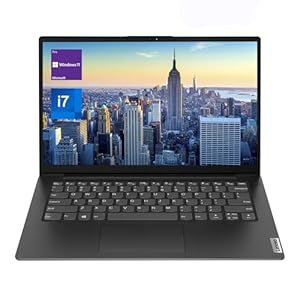
Lenovo V14 Gen 3 Enterprise Laptop ...
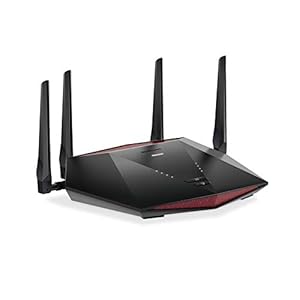
NETGEAR Nighthawk Pro Gaming 6-Stre...

Logitech MK235 Wi-fi Keyboard and M...

Lenovo Newest Everyday 15 FHD Lapto...

Dell S2722DGM Curved Gaming Monitor...